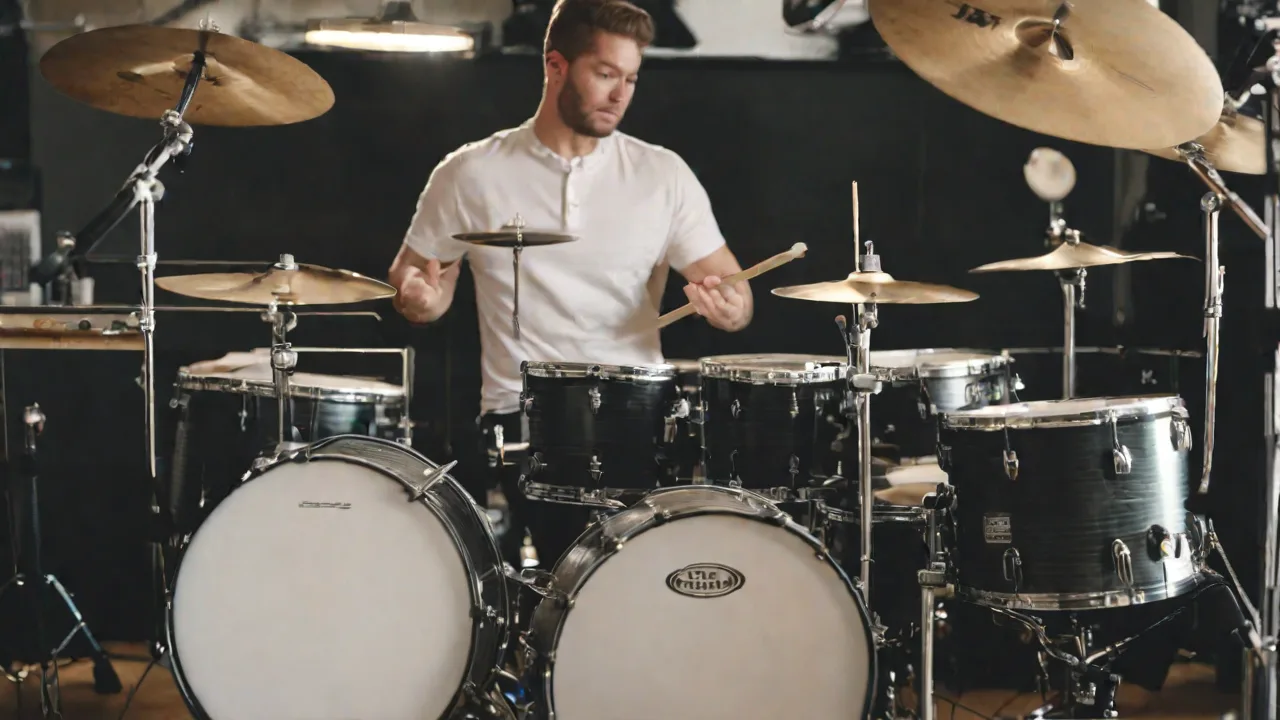
How to Use Call and Response Patterns in Drum Soloing
Call and response patterns are a fundamental technique in drum soloing that add musical interest and interaction. They involve one drummer or section playing a phrase (the call), which is then answered or echoed by another (the response). This technique creates a dynamic conversation within the music, engaging both performers and listeners.
Understanding Call and Response
In drumming, call and response can be used to build tension, highlight a rhythm, or create a sense of dialogue. It is common in many musical genres, including jazz, Latin, and Afro-Cuban music. The call is usually a distinctive rhythm or pattern, and the response complements or contrasts it.
Examples of Call and Response Patterns
- Basic Pattern: A simple rhythm played by the lead drummer, followed by a response from the supporting drums.
- Polyrhythmic Response: Complex patterns where the response adds layers or syncopation.
- Call and Response with Dynamics: Using volume and accents to emphasize the interaction.
How to Incorporate Call and Response in Your Playing
Start by choosing a clear, memorable call pattern. Practice it until it feels natural. Then, create a response that complements the call. Experiment with different rhythms, accents, and dynamics to find engaging combinations. Practice with a metronome or backing track to develop timing and interaction.
Tips for Effective Use
- Keep it simple: Start with straightforward patterns before exploring more complex interactions.
- Listen actively: Pay attention to the musical context and respond accordingly.
- Vary your patterns: Change calls and responses to maintain interest during solos.
- Use dynamics: Play with volume and accents to emphasize the conversation.
Benefits of Using Call and Response
Incorporating call and response patterns enhances your improvisation skills, encourages musical interaction, and develops your sense of timing and phrasing. It also makes your solos more engaging and communicative, creating a lively dialogue that captivates audiences.
Practice regularly, listen to great drummers who use this technique, and experiment with different patterns. Over time, call and response will become a natural part of your drumming vocabulary, enriching your solos and performances.